Adjourn
Gun for Your Life
Upon hearing of the latest mass shooting in America, there is always a moment of suspenseful silence, an eerie pause before details of the disaster are fully known. It is a moment so habitual these days that
I’ve begun to listen for it, like the caught breath betweenm waves at the seashore, the vacuum just before the next inevitable wall of water crashes onto the shore. It is a space that I’ve taken to examine for its imaginative potential. What rushes in to fill the void of fact is ghostly, terrifying in very specifically malleable and culturally inflected ways. At the moment of “breaking news” and just the bare fact of “a shooting,” we hang on, attending to the gaps: no numbers, no race, no religion, no gender, no information about place or circumstance, no information about Who. We fill in with ghosts and stereotypes and prejudices that, whether right or wrong, serve as thresholds for relief in predictive metrics that might mark difference, that might cushion our longing for a legible world.
But slowly the categories leak out, seep into media visualizations that are always a little bit different from the time before, yet also always the same. There will be ages, ethnicities, religions, numbers of victims, genders, addresses, presumed motives, stated manifestos, perpetrators who were “troubled” yet the very last people anyone expected.
This ouroboros of national, self-inflicted tragedy seems entangled with a peculiarly American sense of political precarity, redirected and inflated by other political anxieties and culture wars. The Second Amendment seems to have folded itself into the First Amendment. Not only has the right to bear arms been privatized as a personal right of freedom of expression, so too guns themselves (not merely the bearers thereof ) have become almost anthropomorphic beings that disorder the very concept of life and death as value.
Smoking guns have been displaced by “guns that do the talking.” Gunplay and gun display — as part of campaign advertising in actual contests for high office — position military-grade arms as prosthetic devices, muscular extensions of politicians’ bodies, and of the political body. Gun enthusiasts use such odd locutions as being willing to “die for the right” of constitutional carry, even as such expansive lack of regulation increases precisely the likelihood of death as an epidemiological matter. By this intractably circular logic, guns — more guns, bigger guns, unregulated access to high-powered guns — are more “expressive” of human freedom than the foundational common law right to bodily integrity.
I write suspended in just such a moment of eerie apprehension, knowing nothing, waiting for the coming wave to crash. I do my best to fill in the blanks by imagining
life not loss, and an American dream of liberty that recognizes itself in other than a culture of war. But soon I have to let go: the tabula rasa fills with data points, a dark flower unfurling, the silence lighting up with noise, an Etch A Sketch drawn upon, little magnetized iron filings accumulating into visible designs, familiar configurations — soon to be erased, forgotten, fogged over, confused with all the killings before, till the next time the little wand will call forth a new outline of deaths foretold from what has been post-told.

About the Author
Professor Patricia Williams has published widely on race, gender, literature and law. She was awarded a MacArthur “Genius” Fellowship in 2000 and is the author of several acclaimed books and hundreds of articles and essays in legal, academic and popular journals.
Share
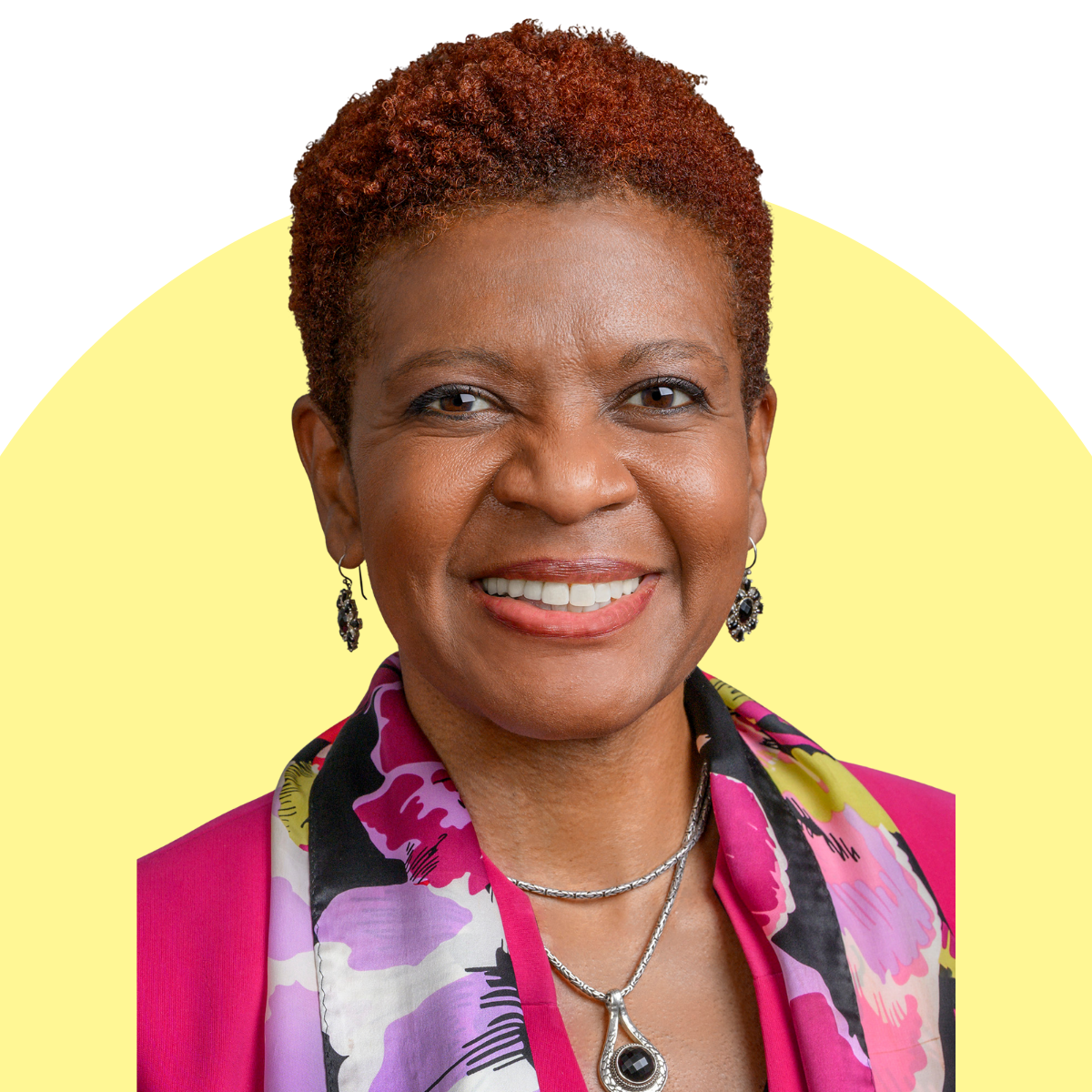
Professor Antoinette Coakley, assistant dean of Northeastern Law’s Bar Success Program, was recognized in March as one of the 57 Most Influential Black Attorneys in the Northeast by the Northeast Black Law Students Association (NEBLSA).
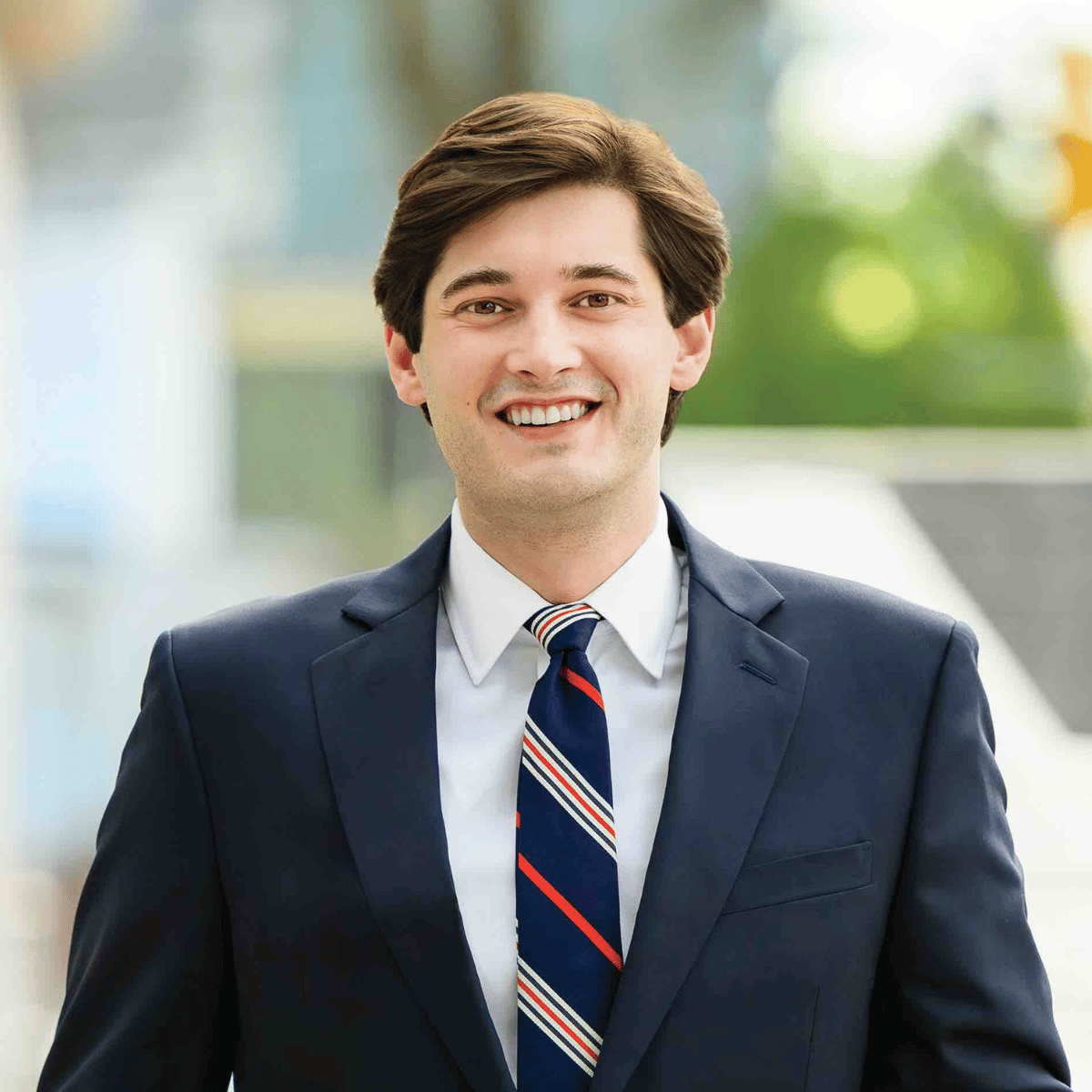
Co-op Matters
When it comes to judicial clerkships, let the record show that Billy Czerwinski ’25 might well be Northeastern Law’s greatest gavel enthusiast.
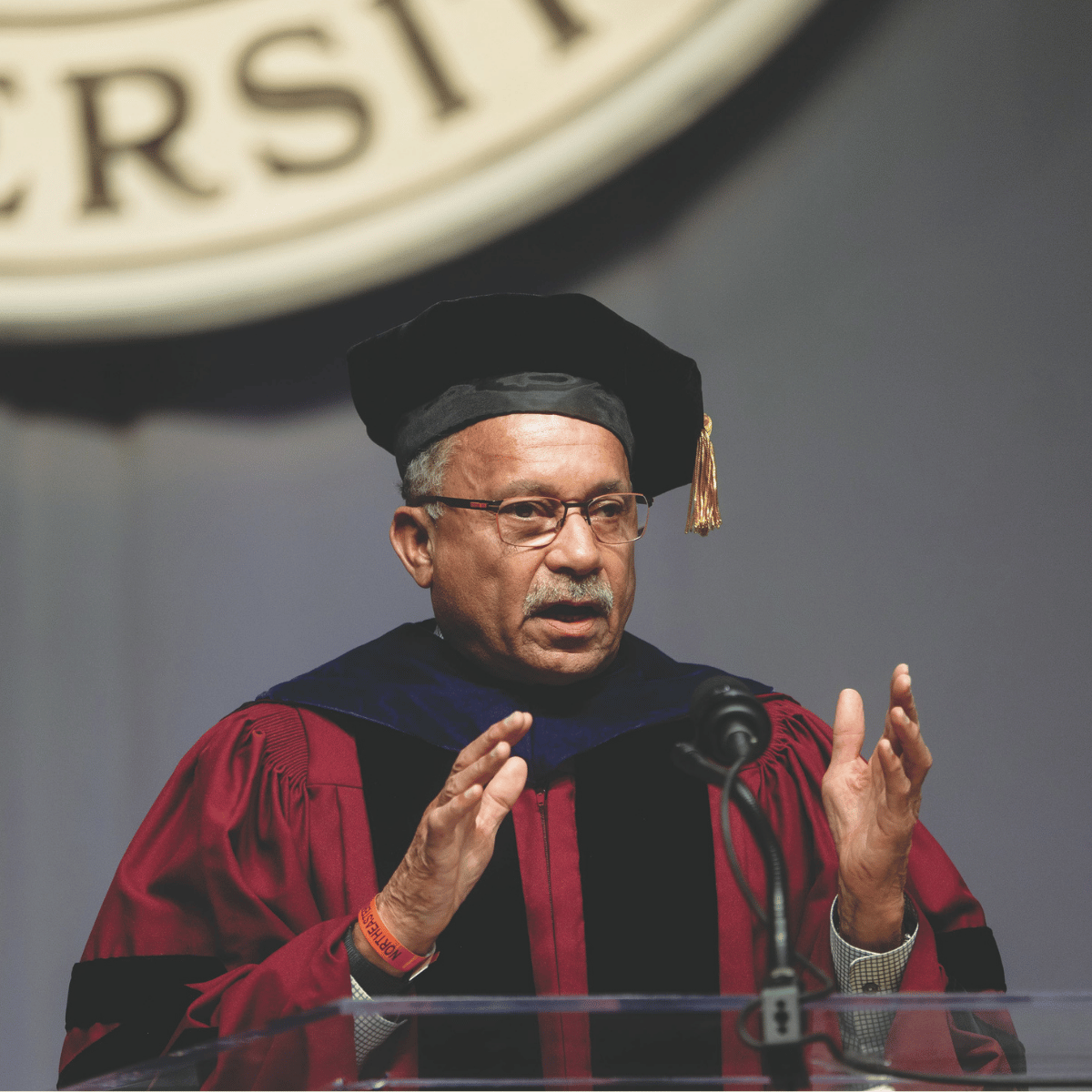
“Today, if we are on our knees, we need to rise up and resist regressive efforts. And optimism serves as the fuel for a continued and successful campaign to recruit others to join in. As you enter the profession, I hope that you will find ways to join in this effort, even if it is in small ways.” Ralph C. Martin II ’78 told the more than 200 JD, LLM and MLS students who graduated on May 2, 2025, in Matthews Arena.