Dean’s Message
Justice Demands Perseverance
As you read this issue, you’ll find that one theme emerges: The fight for justice is not a lofty endeavor. History’s grand moments, big wins and noble speeches inspire us, but it is the day-to-day grind by individuals motivated by conviction and driven by certitude that sustains the fight for what is right. From a student sifting through dusty files to shed light on one of our nation’s darkest failures to graduates litigating high-profile cases that seek to protect the very air we breathe, it takes perseverance and determination to ensure that justice prevails.
In our cover story, graduates fight to protect the environment as the federal government dismantles regulations meant to safeguard our planet and people. What sustains them is the conviction that every forest, shoreline and breath of clean air is worth fighting for.
“Case Unclosed” brings perseverance home. When Clementina Chéry lost her son Louis to a stray bullet on a Dorchester sidewalk, she refused to be paralyzed by grief. She founded an institute, built a movement and eventually brought her unfinished case to Northeastern Law’s LSSC students. What those students found — police missteps, misleading ballistics testimony, a system that had failed not only the accused but also the survivors themselves — was a portrait of justice incomplete. Some students came in, as Haley La ’28 puts it, with a very narrow viewpoint and left with their assumptions fundamentally rearranged. That is exactly how great lawyers develop: not from casebooks and coursework alone but also from encounters with real families and real grief, and the disappointing recognition that the system we serve often lets people down.
The story of our Civil Rights and Restorative Justice Project’s efforts to exonerate a wrongly executed man goes to the heart of our obligation as lawyers to right the record, even when the damage inflicted by our legal system is brutal and irreversible. Tommy Lee Walker’s life was stolen from him 70 years ago, but Professor Margaret Burnham, her students and the Innocence Project made the record agree with Walker’s truth: that he was an innocent man. Alex Stein ’19 describes the kind of legal mind that such work cultivates in our students: creative and relentless, always asking what’s the next layer down.
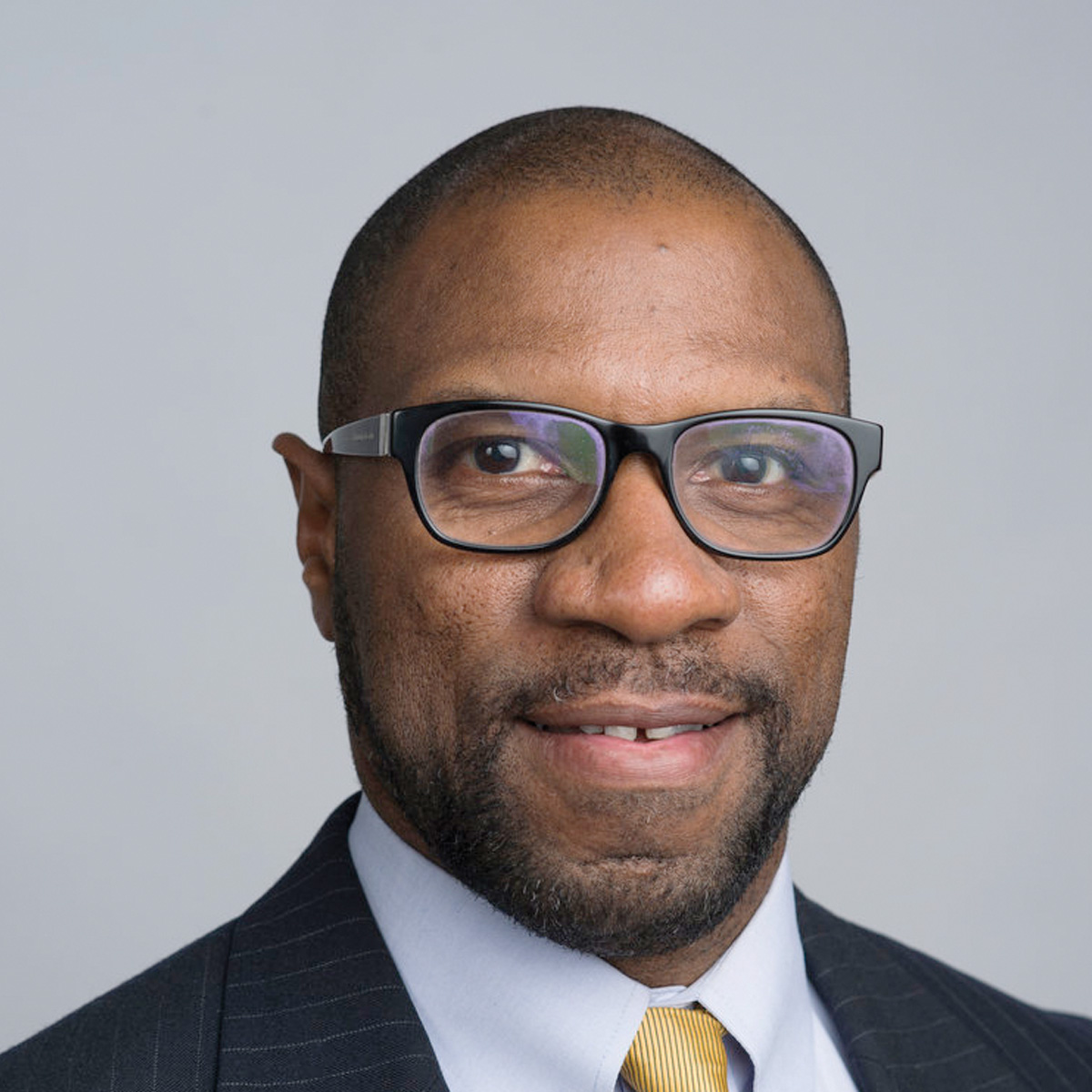
Dean James Hackney
Photograph by Brooks Canaday
Every day at Northeastern Law, our classrooms, clinics and co-ops are enriched by lessons drawn from stories like these. In these pages, you’ll also read about the honors bestowed on our faculty and the many instances in which judges — and even a Supreme Court justice — have relied on their insights. Our faculty’s research, writing and advocacy are among the most important tools we have for protecting the rule of law. As we celebrate the retirements of Professors Deborah Ramirez and Margaret Burnham, there are no better exemplars of what academics driven by righteousness can accomplish.
Especially when the arc of justice often seems to bend the wrong way, our school’s community reminds us that the fight for justice is unrelenting. When we reach a milestone, we celebrate our triumph and then move on to the next challenge — with intention, with perseverance, holding true to our values. Our profession demands it.

Share

Center for Public Interest Advocacy and Collaboration (CPIAC) and Immigrant Justice Clinic (IJC) partnered with Greater Boston Legal Services (GBLS) to host an immigration relief screening clinic for community members in the Greater Boston area.

Shannon Rempe and Miriam Berro Krugman have joined Northeastern Law’s Center for Health Policy and Law (CHPL) to helm its Amicus Project.
-
History’s grand moments, big wins and noble speeches inspire us, but it is the day-to-day grind by individuals... that sustains the fight for what is right.